27 October 2026, Viafarini, Milan
Strangers’ Land
On the nature of the Anthropocene…
Strangers’ Land
Short film screening curated by Patrycja Wojciechowska
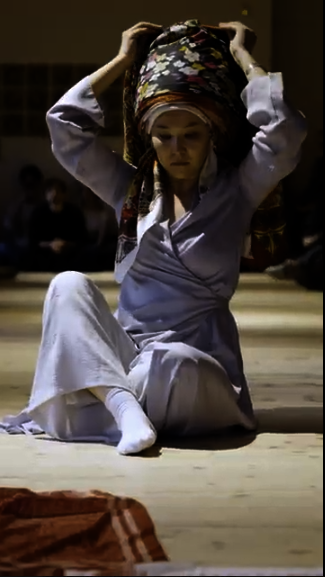
On Tuesday, October 27, Viafarini.work presents a short film screening from 6:30 PM to 9:00 PM exploring the Anthropocene—the profound shifts in the balance of planetary ecosystems in the contemporary era- curated by curator and researcher Patrycja Wojciechowska. Selected works are not constrained to strictly environmental outlook or the epoch’s critique, they meet at a point of liminality, investigating what does it mean to be a stranger, to be strange, to encounter strangeness to various degrees.

Programme
MAX LIMBU
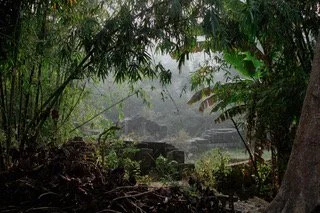
New Ruin, (2016), single channel video 8min 30sec
Faraway, (2025), single channel video 30 min
SANDHAYA GURUNG
Kukari Dance, (2026), single channel video 1min.53 sec.
Ghatu Nach, (2025), single channel video 9 min. 53 sec.
RIAR RIZALDI
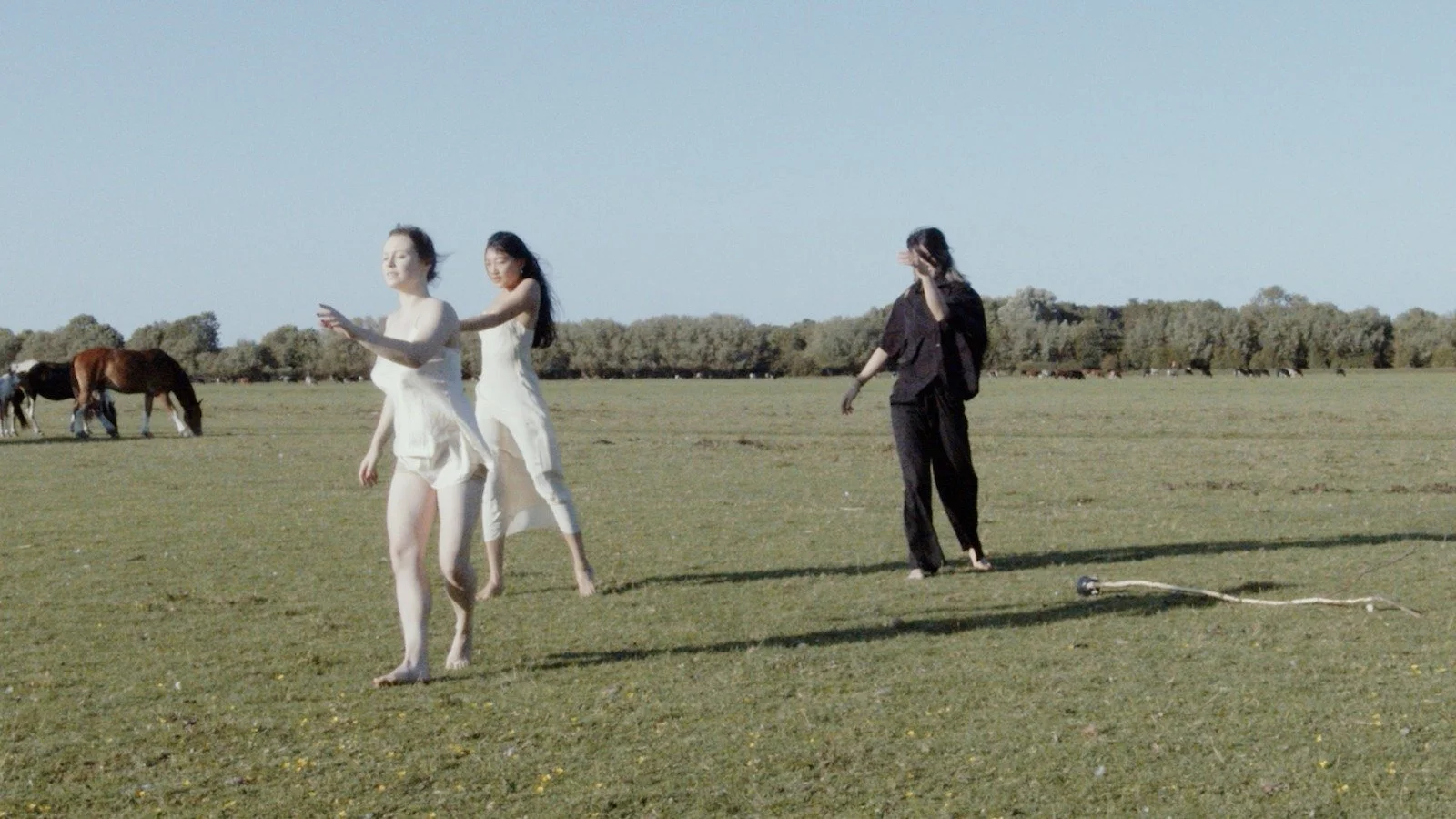
Fanfictie: Volcanology, 2025, Single channel video, 16 min. 25 sec
Notes from Gog Magog, 2022, Single channel video, 19 min 32 sec
SANGBUM AHN
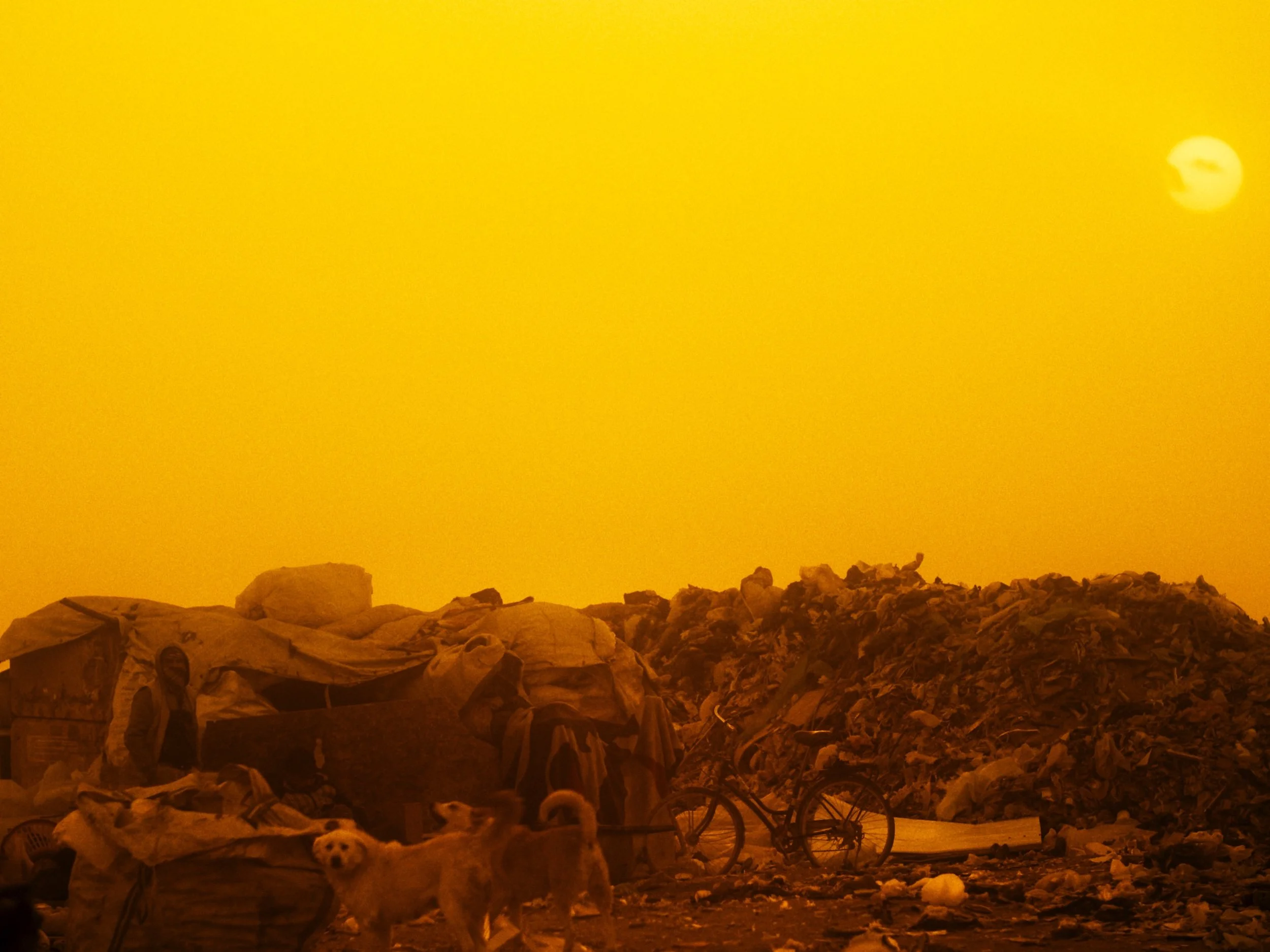
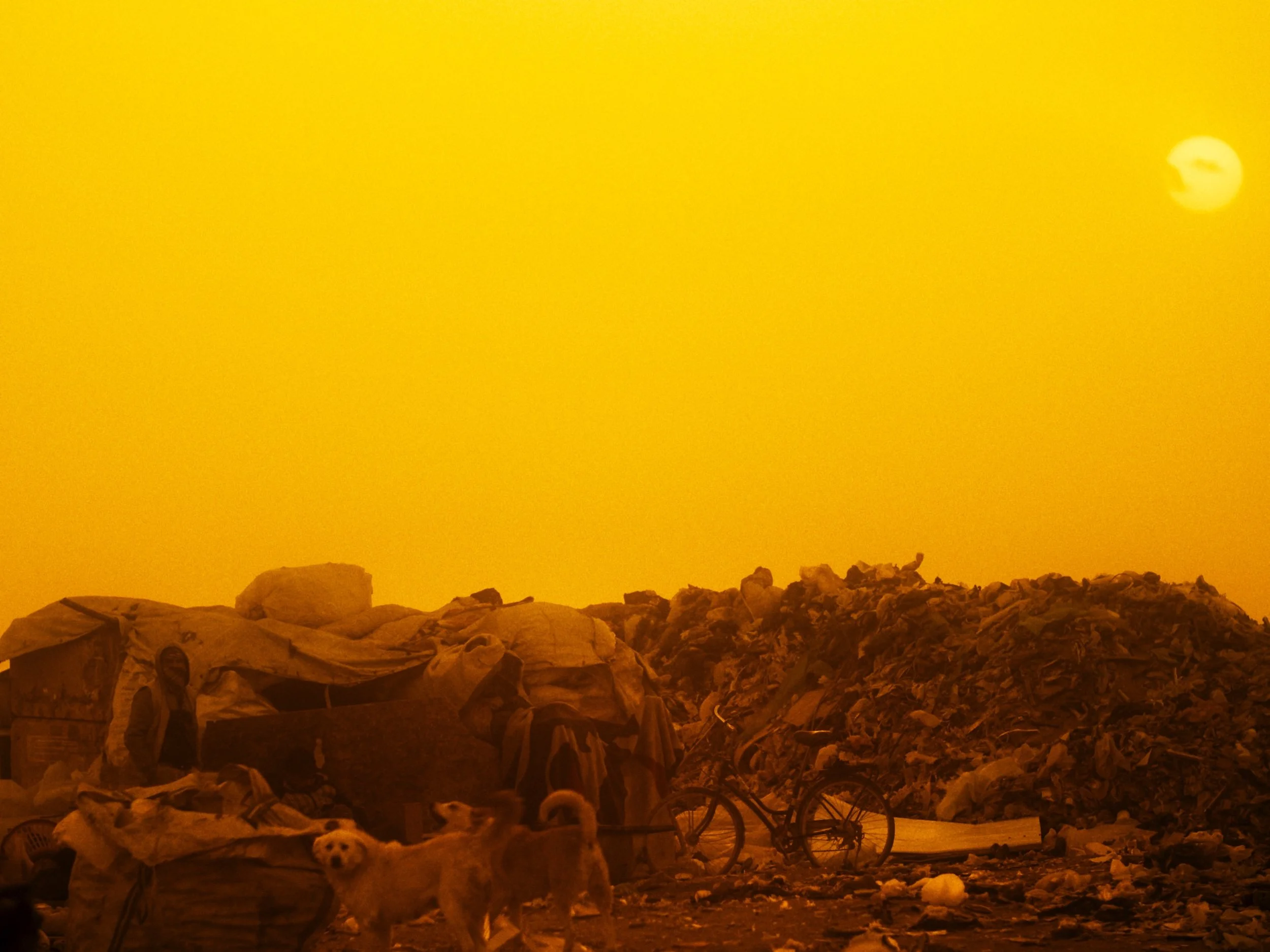
Dust Devil, 2023, single-channel video, colour, stereo sound, 13 min
JAZGUL MADAZIMOWA
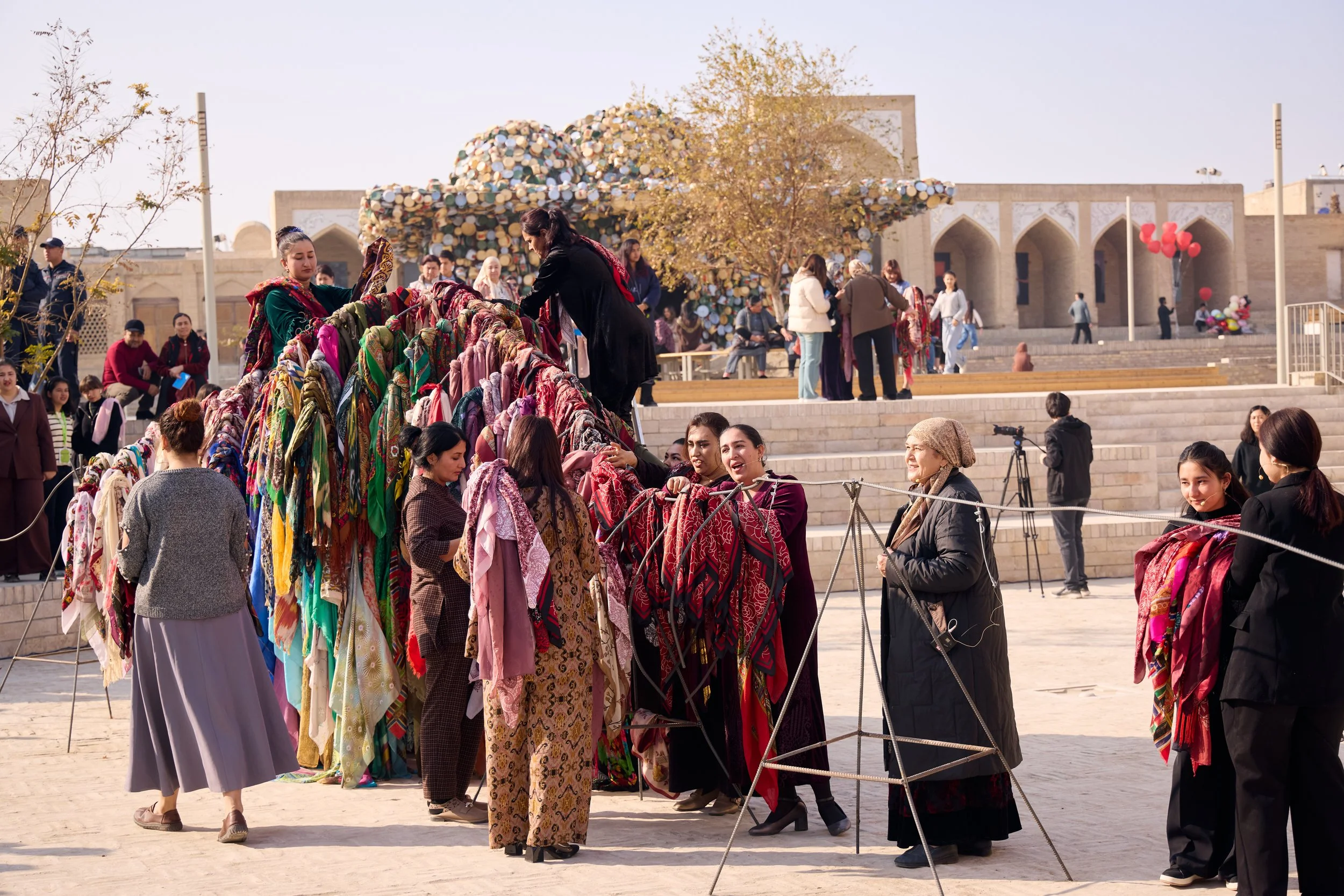
Documentation of The Scent of Your Memory (2025), The Rite of a Fallen Mountain (2026), Mother Tongue (2022), 1000 Prayers (2025)
Video and photographs, times TBK
XINYUE LIU
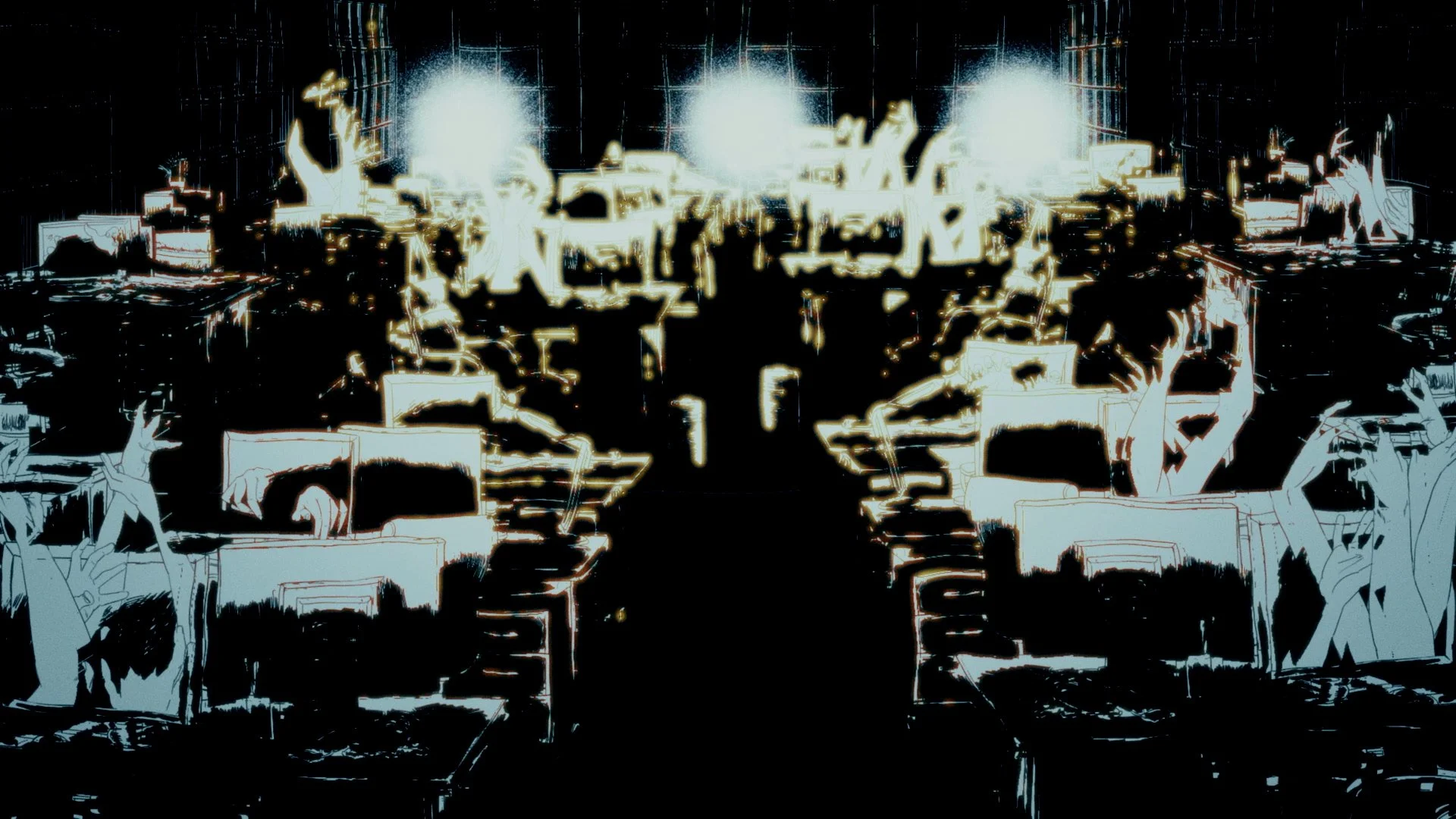
Bureau of Environmental Imaging and Memory Analysis: Three Scenes
Video, 2025, times TBK
Curatorial concept
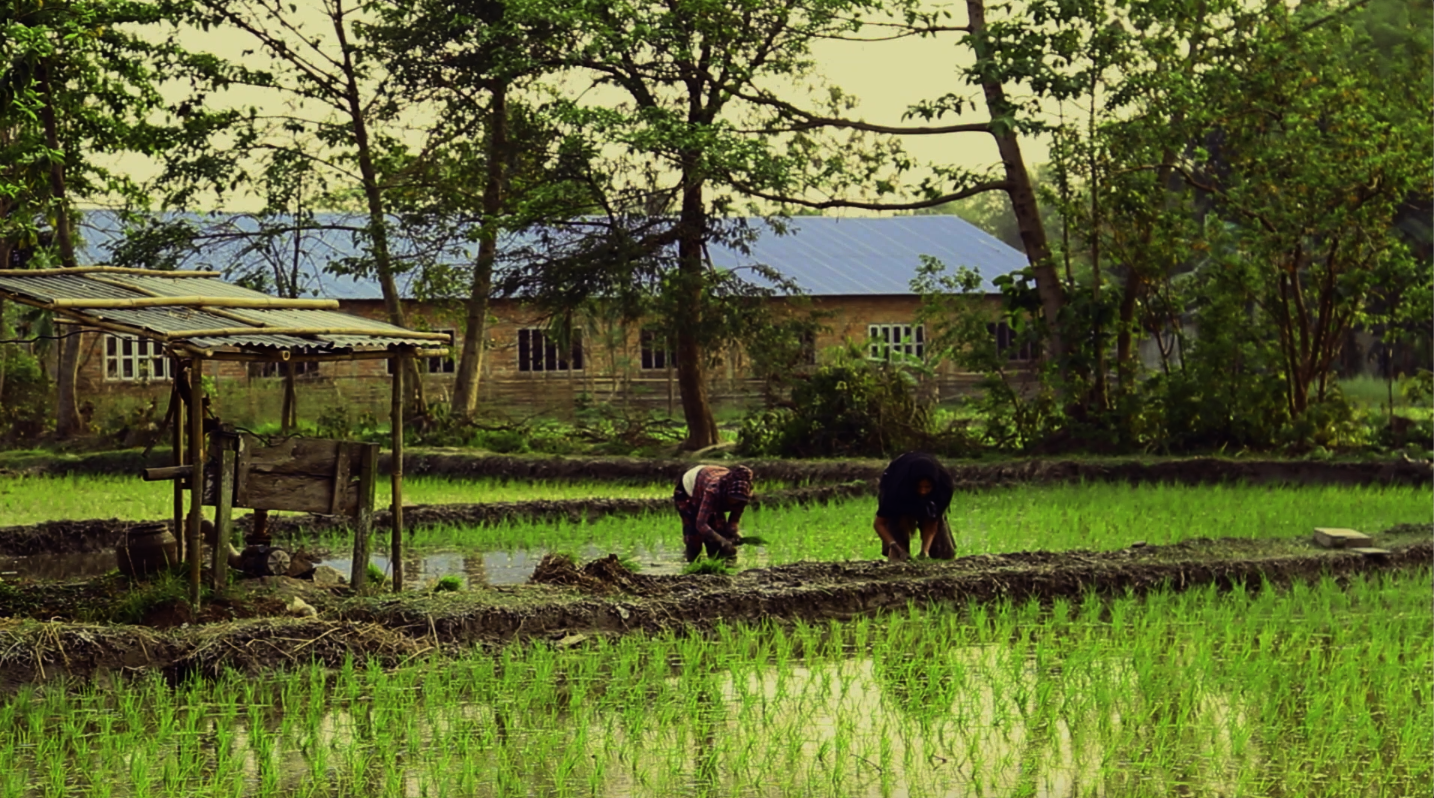
At the beginning of the idea of Strangers’ Land, a screening, was an image. A very cinematic one.
A concrete structure stands in the middle of a rice field. Thick foliage behind. Spare rectangular form makes one think of modernity’s failed utopias, and visitors arriving from other places.
This uncanny presence. So different, so obviously alien.
An implant. A stranger. Not a visitor. Neither a guest.
Left to the elements and slow ruination, the cube disintegrates into its surroundings.
What I love the most about Max Limbu’s work New Ruin, of which this image is a part, is its ambivalence. I wonder about (the notion of) strangers. Is it the cube with its makers who are strangers? Or is the land, the forest, the rice field that are alien and strange? Strangers’ Land, an almost mythological source of fear, terra incognita, subject to endless longings and exploitations.
I look at the concrete form standing surrounded by lash foliage, and I think Space Odyssey 2001, where the monolith was an unknowable arrival, inanimate and yet aware, a stranger bringing progress and weapons. Cain was the first Anthropocenian, created by strangers in Strangers’ Land.
Undefined, lacking sharp boundaries, is at this image’s centre, seeking an answer to a question about the nature of the world transformed into landscape. Like a colonial diorama of happenings, or some giant’s dream.
In Strangers’ Land we search for difference, ineffable exoticism born out of marginalising strategies imposed by the standardised universe of colonial power.
A portrait of anthropogenic mastery of a globe. Or more to the point, a fiction of it. Dreamt and believed by many.
This where this screening lands - on the wastelands of the Anthropocene and undefiable spaces in-between them. While the curatorial outlines exploring the proposal of Nicolas Bourrieau’s New Sublime, where the concept is shorn of the romanticism and considered as the most relevant aesthetic system for analysis of art in the context of the Anthropocene, Strangers’ Land marks the importance of positioning itself liminally, as an expression of space in-between, a sublime immersing human being in a threatening cradle of Man-made universe. “The point is no longer to place a subject in front of an object but to include the subject within a situation that exceeds all measure (....) what characterises our era- the Anthropocene-is a crisis of a human scale…” p.18 *
Works explore places, states, and ways of being. Living and existing within a gap. Not constrained to strictly environmental outlook or the epoch’s critique, they instead meet at a point of liminality, uncanny in-betweenness characterising investigations into what does it mean to be a stranger, to be strange, or encounter strangeness to various degrees. To operate deep in a break between things.
The conceptual framework of the selection is open, embracing non-duality. It engages overlapping transformative qualities, and openness to share visions of the world, stories, myth and forces.
Perhaps what we are trying to do is to search for fantastic spaces between the unknown and the familiar, the safety and the danger, the security and the risk; for beings residing between human and beyond, normal and monstrous, bodies and ghosts, hauntings and possessions.
On the margins.
Like a sound heard below frequency, unconsciously registered, following the memory of unrecognised(able) and barely recognised.
*Quotes: “New Sublime” Nicolas Bourriaud